Charting Loyalty Tier Progressions Across Integrated Sports and Gaming Portals
Carlo Berger · Jun 23, 2026
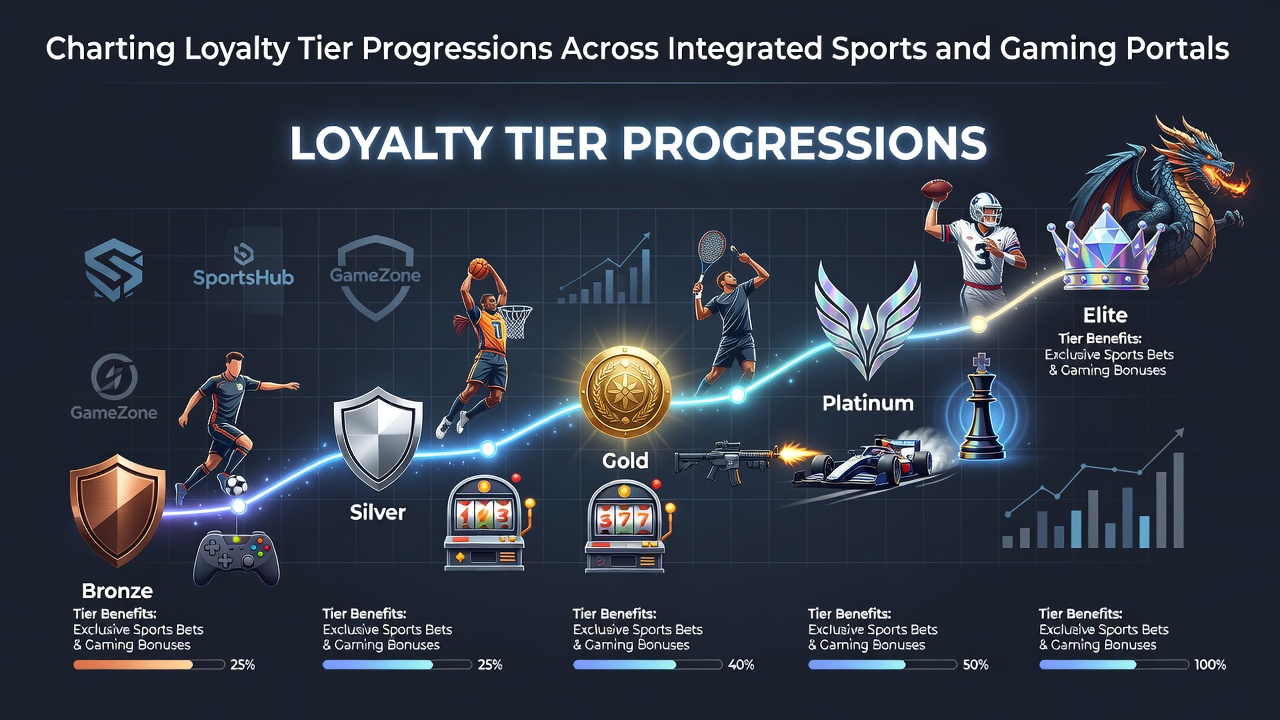
Charting Loyalty Tier Progressions Across Integrated Sports and Gaming Portals
Integrated sports and gaming portals combine betting markets on athletic events with casino-style games under single account systems, and observers track how loyalty tiers advance through combined activity across both segments. These platforms calculate progression using points earned from wagers placed on sports outcomes alongside spins or hands played in gaming sections, which creates unified advancement paths rather than separate programs. Data from industry reports shows users who split activity evenly between sports and gaming reach mid-tier status faster than those focused on one category alone. Common tier frameworks start at entry levels such as Bronze or Silver and move upward through Gold, Platinum, and Diamond designations. Each step requires accumulating a set number of loyalty points within defined time windows, and operators adjust thresholds periodically based on overall platform engagement metrics. Points accrue at different rates depending on the product type, with sports bets often yielding one point per dollar wagered while certain table games or slots contribute at multipliers that vary by game volatility.Mechanics of Point Accumulation and Tier Advancement
Users progress by meeting both volume and frequency requirements, because many portals mandate minimum activity across consecutive months to prevent stagnation at lower tiers. Sports contributions typically come from settled bets on leagues including football, basketball, and horse racing, whereas gaming inputs derive from eligible titles in slots, roulette, and poker rooms. Research from academic institutions indicates that integrated systems reduce user churn by 15 to 20 percent compared with standalone programs, since cross-category earning accelerates visible progress toward higher rewards.
Advancement notifications arrive via email or in-app alerts once thresholds are crossed, and operators reset point balances annually or semi-annually in most documented cases. Those who maintain steady deposits and varied betting patterns tend to unlock accelerated earning rates at Gold level and above, which further compounds progression speed. June 2026 updates to several major platforms introduced dynamic point multipliers tied to seasonal sports calendars, allowing users to bank extra credits during major tournaments without altering base tier criteria.
Benefits Tied to Specific Tier Levels
Entry tiers deliver basic cashback percentages and occasional free spins, while mid-level status adds deposit match bonuses and priority customer support access. Higher tiers incorporate personalized odds boosts on selected sports markets together with higher withdrawal limits and exclusive gaming tournaments. Data compiled by North American regulatory bodies reveals that Diamond-tier participants receive an average of three times the reward value of entry-level users across equivalent activity volumes.
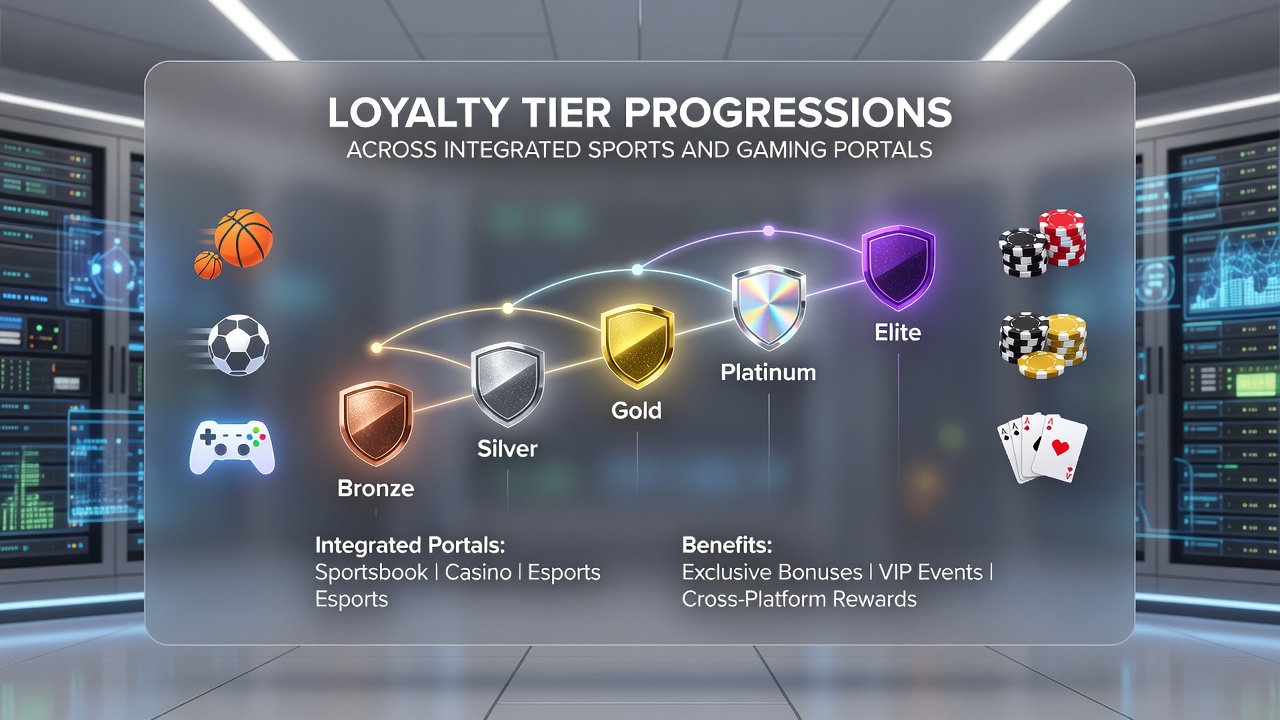
Integrated portals often link tier status to cross-promotional offers, such as converting sports winnings directly into gaming credits or vice versa. European gambling associations have published findings that such linkages increase average session lengths by measurable margins because users pursue dual-category objectives simultaneously. Observers note that progression tracking dashboards display real-time point totals broken down by sports versus gaming contributions, which helps users adjust strategies to close remaining gaps before reset periods.
Regional Variations in Tier Design
North American operators frequently emphasize sports-heavy point structures aligned with major league seasons, whereas platforms serving Asia-Pacific markets weight gaming activity more heavily in their algorithms. Canadian provincial regulators require transparent disclosure of all point valuation formulas, which allows users to calculate exact advancement timelines before committing funds. Australian research centers have documented that tier reset policies differ by jurisdiction, with some systems carrying over partial progress into the next cycle while others enforce clean starts.
Operators publish annual transparency reports that include aggregate statistics on tier distribution and average time spent at each level. These documents show consistent patterns where roughly 60 percent of active accounts remain at the first two tiers, while the top 5 percent occupy Platinum and Diamond combined. Such distributions reflect both earning difficulty and natural attrition among casual participants.
Tracking Tools and User Interfaces
Modern portals embed progression meters directly in account overviews, complete with projected timelines based on recent activity rates. Users can toggle between weekly, monthly, and yearly views to identify which product categories contribute most to their current standing. Some systems incorporate predictive modeling that forecasts the exact date a user will reach the next tier assuming unchanged betting and gaming patterns continue.
Integration extends to mobile applications, where push notifications flag milestone achievements and remaining point deficits. Industry organizations report that platforms offering granular breakdowns experience higher user retention because participants gain clearer visibility into reward pathways. External data sources such as those maintained by the Nevada Gaming Control Board track complaint volumes related to loyalty program clarity, revealing steady declines as interface designs improve.
Conclusion
Charting loyalty tier progressions across integrated sports and gaming portals reveals structured systems that reward consistent multi-category participation through unified point economies. Advancement depends on documented volume thresholds, time-bound activity requirements, and region-specific weighting of sports versus gaming contributions. Available data from regulatory and academic sources demonstrates measurable differences in progression speed and reward access once users cross successive tier boundaries. Platforms continue to refine these frameworks with seasonal adjustments and enhanced tracking interfaces, maintaining alignment with operational requirements across multiple jurisdictions.