Decoding Algorithm-Driven Personalization in British Wagering Reward Systems for Multi-Sport Events
Morgan Washington · Jul 28, 2026
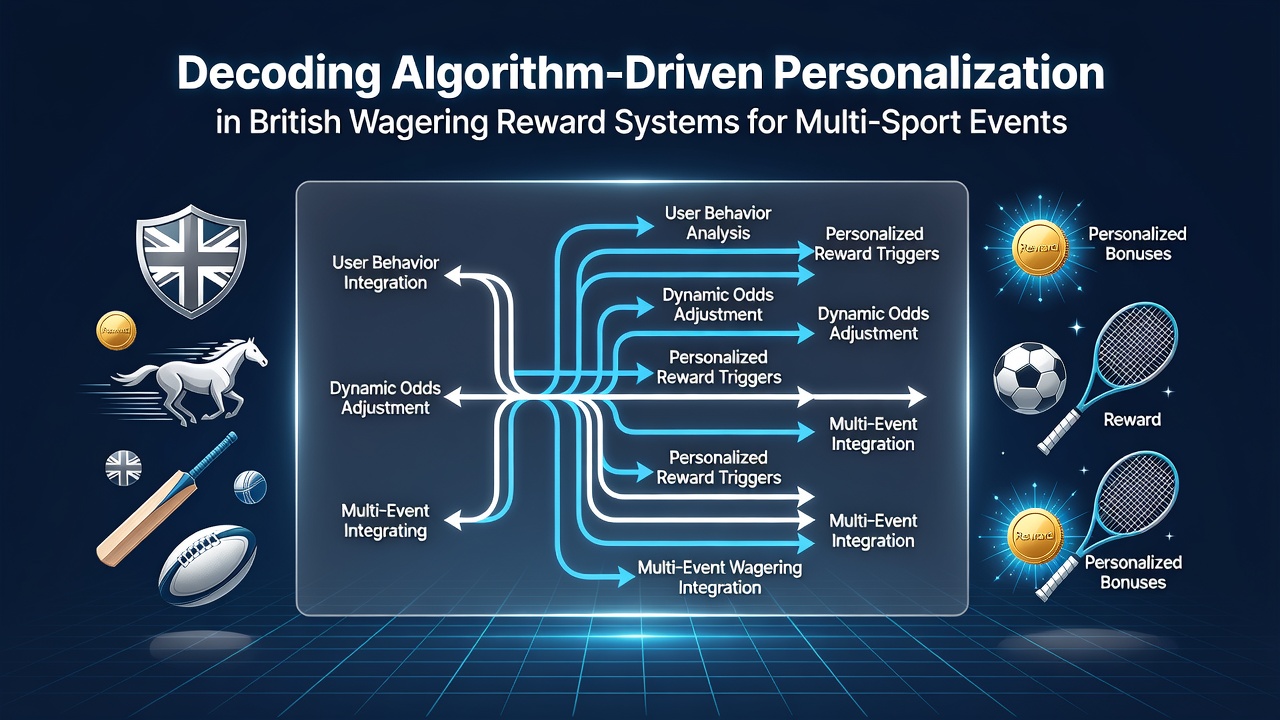
Decoding Algorithm-Driven Personalization in British Wagering Reward Systems for Multi-Sport Events
Algorithm-driven personalization shapes how British wagering platforms distribute rewards across multi-sport events, and data from user behavior drives these systems in real time. Platforms collect inputs such as bet frequency, sport preferences, stake sizes and session duration, then feed that information into models that adjust bonus structures, cashback rates and promotional eligibility for individual accounts.
How Data Inputs Shape Reward Algorithms
Operators track cross-sport activity patterns because a customer who places football accumulators one weekend and tennis outrights the next generates a richer profile than single-sport users. These profiles allow systems to calculate which reward type will likely increase retention for that specific account. One researcher who examined European operator datasets noted that models often weigh recent multi-sport participation more heavily than historical single-sport volume when deciding whether to issue a matched free bet or an enhanced each-way payout on an upcoming fixture.
July 2026 brought wider adoption of real-time adjustment layers that update reward offers between events. A punter who switches from a Premier League match to a Wimbledon semi-final within the same afternoon might receive an immediate odds boost on a combined market because the algorithm registers the shift and predicts higher engagement if the offer appears instantly.
Cross-Sport Mechanics in Practice
Multi-sport personalization frequently appears in bundled promotions that link unrelated events. Systems identify accounts that have previously engaged with both football goal markets and horse racing place markets, then surface a reward that applies only when both conditions are met within a set window. This approach differs from static bonuses because the value and conditions change according to the account's demonstrated behavior rather than a uniform schedule applied to all users.
Researchers at the University of Sydney's gambling research unit have documented how such targeting can reduce the number of unused promotional credits across operator portfolios. Their findings indicate that accounts receiving algorithm-selected offers redeem them at higher rates than those given generic promotions, although the study did not examine long-term spending patterns.
Technical Components Behind the Scenes
Most systems rely on collaborative filtering techniques similar to those used in streaming services, yet adapted for wagering constraints. The model groups accounts that share similar multi-sport sequences and then tests which reward variant produced the strongest response within that cluster. Reinforcement learning components further refine the selection by rewarding the algorithm when a personalized offer leads to additional qualifying bets within the same day.
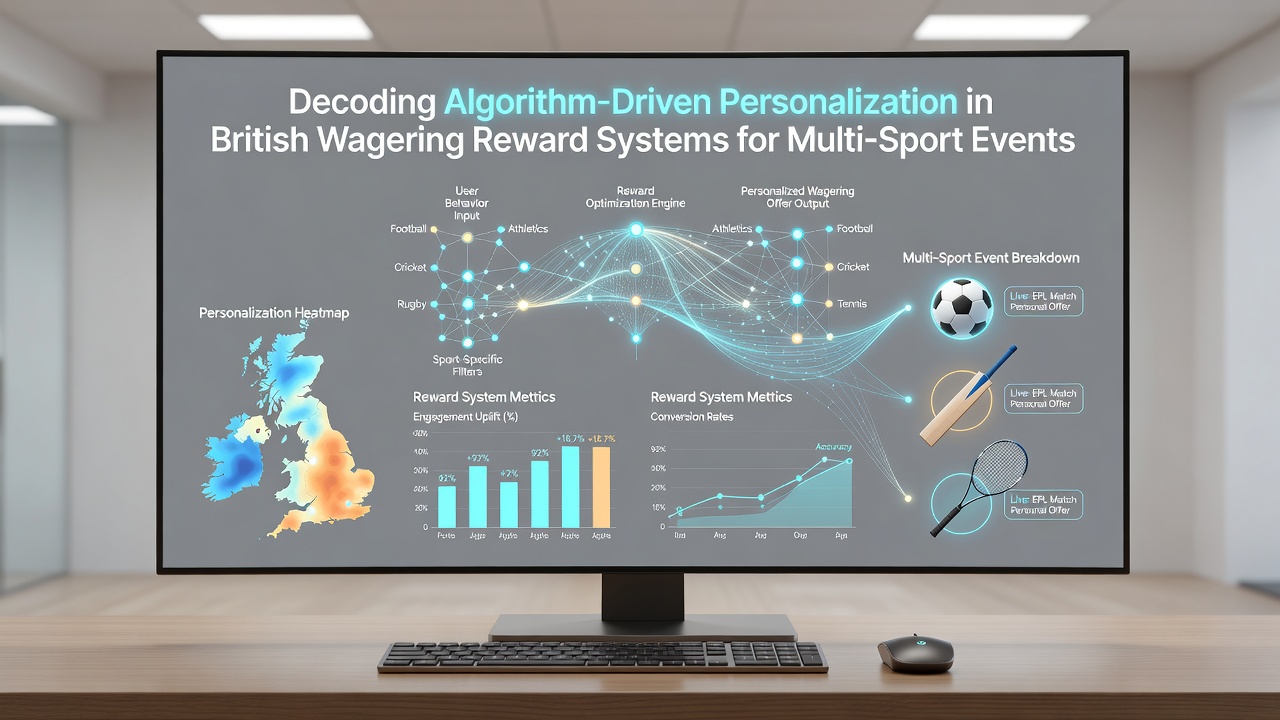
Privacy regulations require operators to obtain explicit consent before combining data across different betting verticals, and several platforms now display simplified dashboards that show users which data points influence their reward eligibility. These transparency features emerged after 2025 updates to data protection guidance across multiple jurisdictions.
Regulatory Context and Industry Standards
Although the UK Gambling Commission maintains core licensing rules, oversight of algorithmic fairness also draws on frameworks from the Australian Communications and Media Authority and the European Gaming and Betting Association. These bodies have published joint position papers that encourage operators to maintain audit trails showing how personalization decisions are reached and to allow independent review of potential bias in reward distribution.
Operators that operate across borders must reconcile differing consent standards. One Canadian provincial regulator, for example, requires separate opt-ins for each sport category before cross-sport profiling begins, a requirement that has prompted some British platforms to segment their data architecture accordingly.
Future Developments Expected After Mid-2026
Industry reports suggest that by late 2026 many platforms will introduce predictive reward engines capable of forecasting the optimal offer timing based on external event calendars. A system might anticipate that an account active in both rugby and golf will receive a combined promotion during the overlap of the Six Nations and a major PGA event, because historical data shows elevated engagement during such calendar intersections.
These engines still operate within existing responsible gambling parameters, and any personalized reward must pass automated checks that compare the offer against the account's recent deposit and loss history. The checks prevent the algorithm from escalating incentives for accounts that already exceed predefined risk thresholds.
Conclusion
Algorithm-driven personalization in British multi-sport wagering rewards continues to evolve through tighter integration of behavioral data, regulatory oversight and technical safeguards. Observers note that the core mechanism remains the same: platforms use account-specific histories to determine which combination of events and reward types will appear for each user. As systems become more sophisticated after July 2026, the emphasis on auditability and cross-jurisdictional compliance is expected to grow in parallel with the technical capabilities themselves.