Decoding Rollover Thresholds: How UK Operators Structure Conversion Paths Linking Accumulator Insurance to Casino Cashback During Off-Peak Racing Periods
Carlo Berger · Aug 25, 2026
Decoding Rollover Thresholds: How UK Operators Structure Conversion Paths Linking Accumulator Insurance to Casino Cashback During Off-Peak Racing Periods
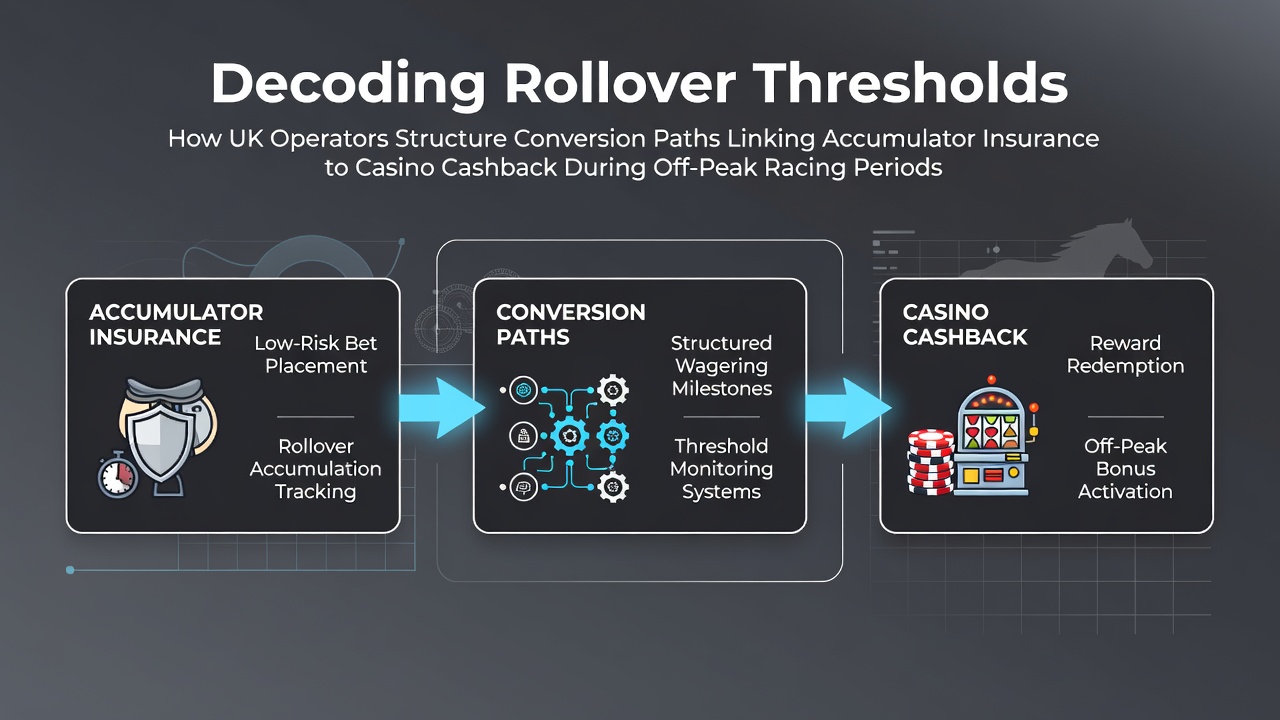
UK operators have developed intricate systems that connect accumulator insurance products on sports markets with casino cashback offers, and these pathways rely on specific rollover thresholds that determine how bonuses convert across product verticals. During quieter periods in the racing calendar, such as the summer months when major festival events wind down, platforms adjust these structures to maintain user engagement across both betting and gaming sections.
Rollover Thresholds in Accumulator Insurance Products
Accumulator insurance typically covers a set number of legs in a multi-bet, returning the stake as a free bet or cash equivalent if one selection fails. Operators set rollover thresholds that require users to place additional wagers at defined odds before any insurance payout becomes eligible for withdrawal or further conversion. Research from the University of Nevada shows these thresholds often range between three and eight times the bonus value, with higher multiples applied to insurance-linked rewards that later feed into casino verticals.
Platforms calculate these figures based on average bet volumes recorded during previous off-peak windows, and they calibrate the odds requirements to balance retention goals against regulatory guidelines from bodies like the Nevada Gaming Control Board. When thresholds are met through accumulator activity, the resulting credit moves into a conversion path that directs portions toward casino cashback balances.
Linking Paths to Casino Cashback During Off-Peak Windows
Off-peak racing periods, including stretches around August 2026 when fixture lists thin out between major summer jumps meetings and autumn campaigns, create opportunities for operators to promote cross-product movement. Accumulator insurance payouts that satisfy rollover conditions unlock casino cashback percentages, often between five and fifteen percent on net losses, with the cashback itself carrying a separate but connected rollover target.
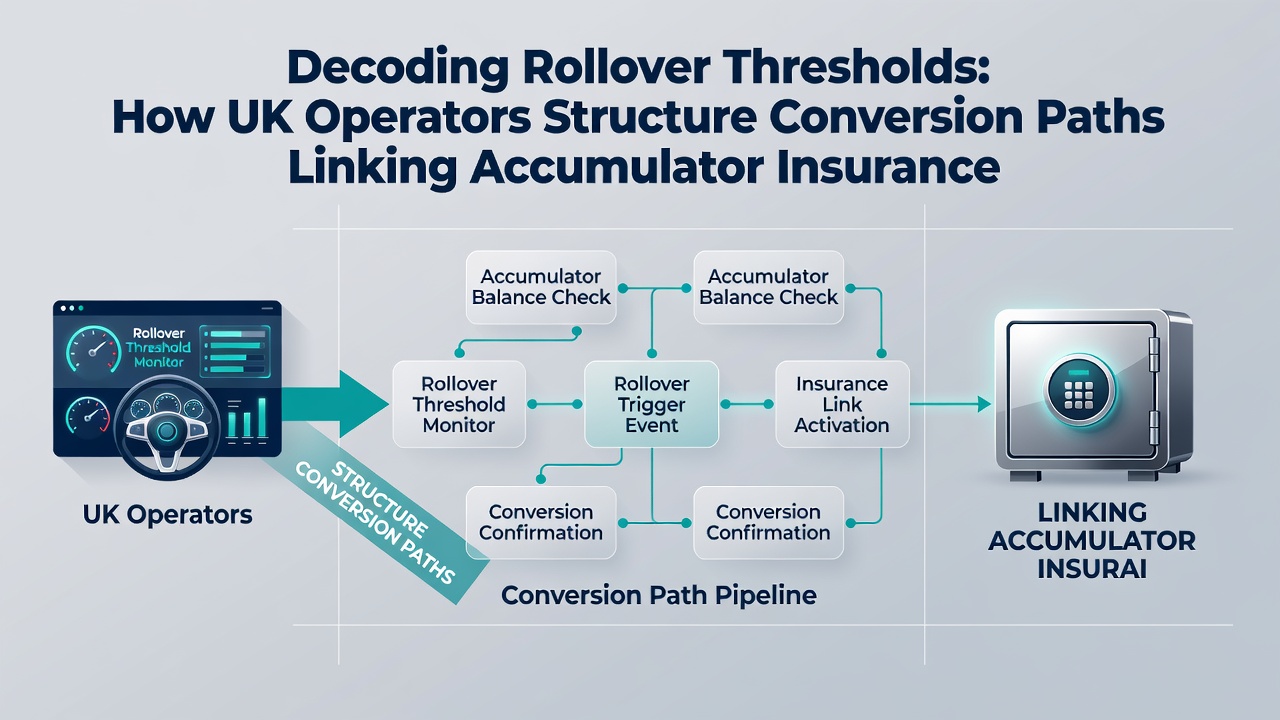
Those who track these offers note that operators publish clear mapping documents on their sites that outline the exact sequence: accumulator stake returned via insurance, threshold completion through specified markets, and automatic transfer of a percentage into the casino wallet as cashback. Data from industry reports by the European Gaming and Betting Association indicates such linked promotions increase session lengths across verticals by measurable margins during slower racing weeks.
Structural Adjustments Operators Apply in Low-Activity Racing Months
During quieter intervals operators reduce the number of legs required for insurance activation while simultaneously raising the casino cashback rollover multiplier to encourage continued play. This adjustment keeps overall bonus liability controlled yet extends user time on site. Observers note that platforms monitor real-time fixture data to trigger these changes automatically, often aligning promotions with midweek racing cards that draw smaller crowds.
Conversion paths incorporate time limits that align with the off-peak window itself, so users who complete accumulator thresholds in August 2026 must activate the casino cashback portion before the next major racing surge begins. Studies conducted by academic teams at the University of Sydney have documented similar seasonal bonus recalibrations in other regulated markets, confirming that operators worldwide use fixture calendars to time vertical crossovers.
Examples of Threshold Structures Observed Across Platforms
One major operator applies a four-times rollover on accumulator insurance returns before releasing twenty-five percent of the value as casino cashback credit, with the cashback then requiring an additional six-times playthrough on selected slots. Another platform structures the path so that insurance on five-leg accumulators converts directly once the user places two further bets at evens or higher, routing the outcome into cashback that carries no additional wagering until the off-peak period ends.
These variations depend on historical user behavior data collected during comparable quiet periods, allowing operators to fine-tune thresholds without altering core terms. Figures released through gambling research networks reveal that platforms publishing transparent path diagrams experience higher completion rates than those that embed the details in lengthy terms sections.
Conclusion
UK operators maintain detailed rollover frameworks that connect accumulator insurance directly to casino cashback, and these systems adapt specifically during off-peak racing stretches such as the period around August 2026. The structures rely on measurable thresholds, documented conversion sequences, and seasonal timing drawn from fixture calendars. External analyses from sources including the University of Nevada and the European Gaming and Betting Association continue to track how such pathways operate across regulated environments, providing data that platforms use to refine their approaches each cycle.