How App Notifications Shape Participation Rates in Layered Multi-Leg Incentives Across British Digital Platforms
Theo Powell · Sep 4, 2026
How App Notifications Shape Participation Rates in Layered Multi-Leg Incentives Across British Digital Platforms
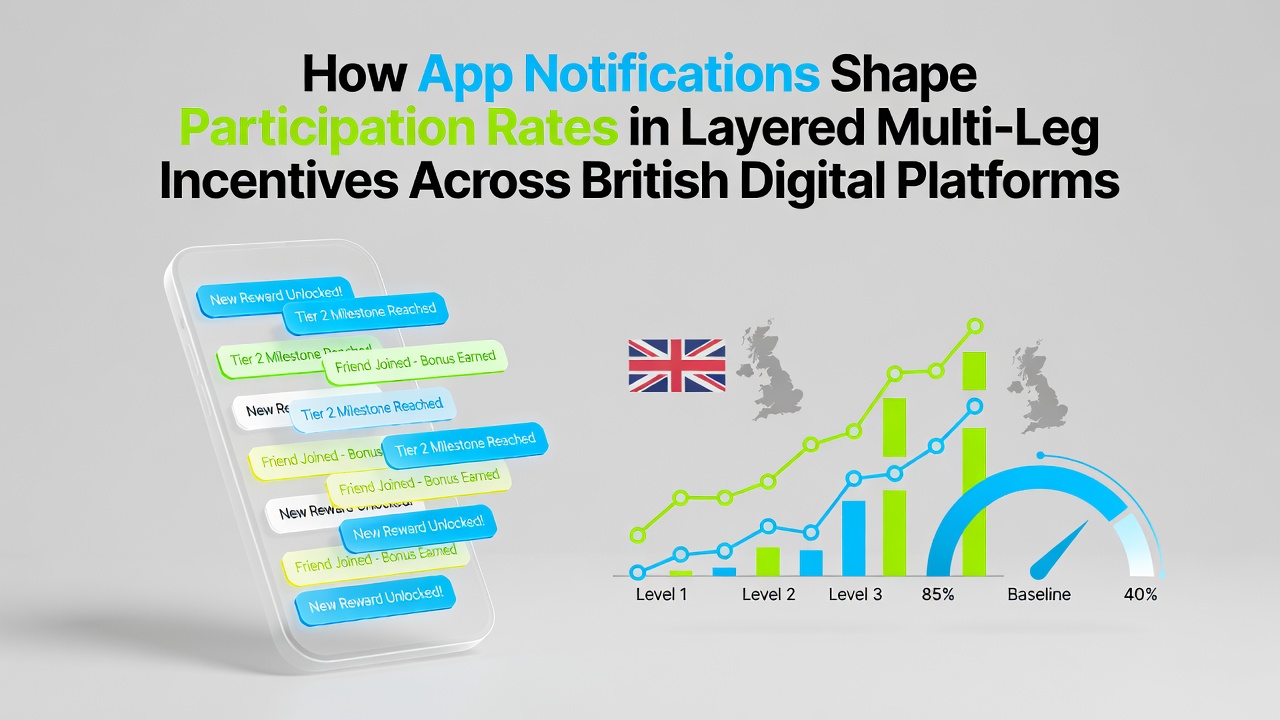
App notifications have become central to how users engage with layered multi-leg incentives on British digital platforms where operators structure rewards across multiple betting legs or task completions to encourage sustained activity. These systems layer bonuses such as deposit matches and free bet increments on top of each other, and notifications serve as the primary trigger that moves users from passive awareness to active participation. Data from platform analytics shows that push alerts sent at key decision points increase completion rates for multi-leg sequences by directing attention back to ongoing offers before time limits expire.
Mechanics of Layered Incentives and Notification Triggers
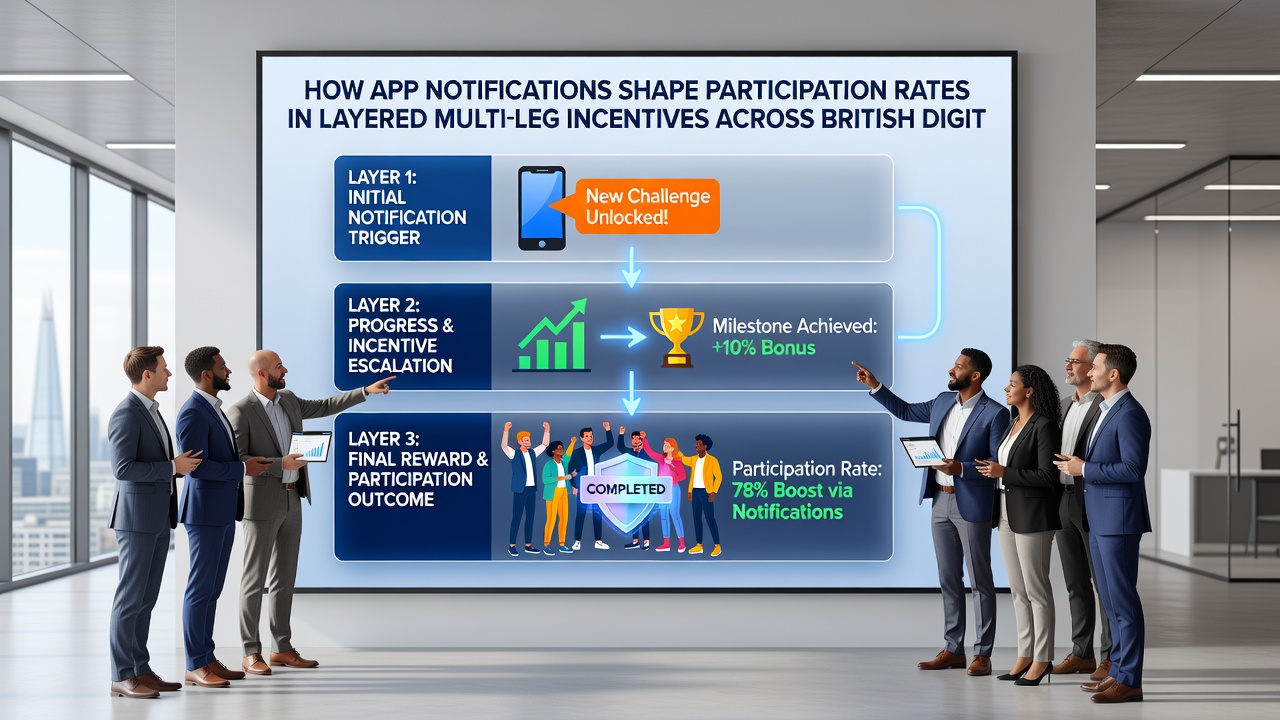
British digital platforms design layered multi-leg incentives so that each completed leg unlocks the next reward tier, creating a chain that requires repeated logins or actions within set windows. Notifications arrive via mobile apps to highlight remaining legs, updated odds adjustments, or approaching deadlines, and they integrate directly with user accounts to personalize timing based on previous activity patterns. Researchers tracking engagement metrics across several operators note that segmented alerts, which reference specific legs already started, produce higher response rates than generic reminders because they reduce the cognitive load of recalling unfinished sequences.
Platforms collect behavioral data to time these messages during peak user hours, often combining them with in-app banners that reinforce the same layered structure. Observers note that when notifications include progress bars or visual breakdowns of accumulated rewards, users tend to resume multi-leg paths more quickly than when messages contain only text summaries. This approach aligns with broader patterns in mobile engagement where contextual cues lift interaction volume without requiring additional marketing spend.
Participation Rate Patterns Across Platforms
Figures from industry tracking services reveal that participation in layered multi-leg incentives rises measurably following notification campaigns, particularly when alerts prompt users to complete the second or third leg of a sequence. Platforms report that open rates above 25 percent correlate with completion increases of up to 18 percent within the same 48-hour window, while lower open rates leave many incentives unfinished. Those who study these systems find that users who receive at least two targeted notifications per incentive cycle show greater consistency in finishing sequences compared with users who receive none or only one.
September 2026 marks a period when several British operators plan to roll out enhanced notification frameworks that incorporate machine learning adjustments for individual user response thresholds. These updates aim to refine delivery windows based on historical data from the prior year, and early testing indicates further lifts in multi-leg completion where alerts adapt to device usage patterns. External analysis from the Australian Competition and Consumer Commission on notification fatigue provides context for similar European platform strategies, while a separate study hosted by the Pew Research Center documents how frequency and relevance affect long-term engagement across comparable app ecosystems.
Technical Delivery and User Response Factors
App developers on British platforms employ rich notification formats that embed direct links to specific incentive legs, allowing one-tap access to the next required action. This reduces friction compared with earlier text-only alerts, and metrics indicate that users follow through on linked actions at rates roughly double those of standard messages. Platforms also experiment with silent background notifications that update app badges without immediate interruption, testing whether these subtler cues sustain participation across longer incentive cycles without triggering opt-outs.
Those who analyze notification logs observe that weekend and evening deliveries often outperform weekday daytime sends for multi-leg offers, since users tend to check apps more casually during leisure periods. Yet platforms balance this by avoiding over-delivery that could lead to muted alerts, maintaining participation gains while preserving channel effectiveness. Evidence from aggregated platform reports shows that users who customize notification preferences within the app maintain higher ongoing involvement with layered incentives than those who rely on default settings.
Conclusion
Notifications function as the connective tissue between layered multi-leg incentive design and actual user participation on British digital platforms, with timing, personalization, and format directly influencing completion metrics. As operators prepare refinements scheduled for September 2026, ongoing measurement of response data will continue to shape how these systems evolve, keeping focus on the factual relationship between alert strategies and engagement outcomes across the sector.