Mapping Seasonal Loyalty Tiers Across UK Operators for Multi-Market Reward Transfers
Carlo Berger · Jul 14, 2026
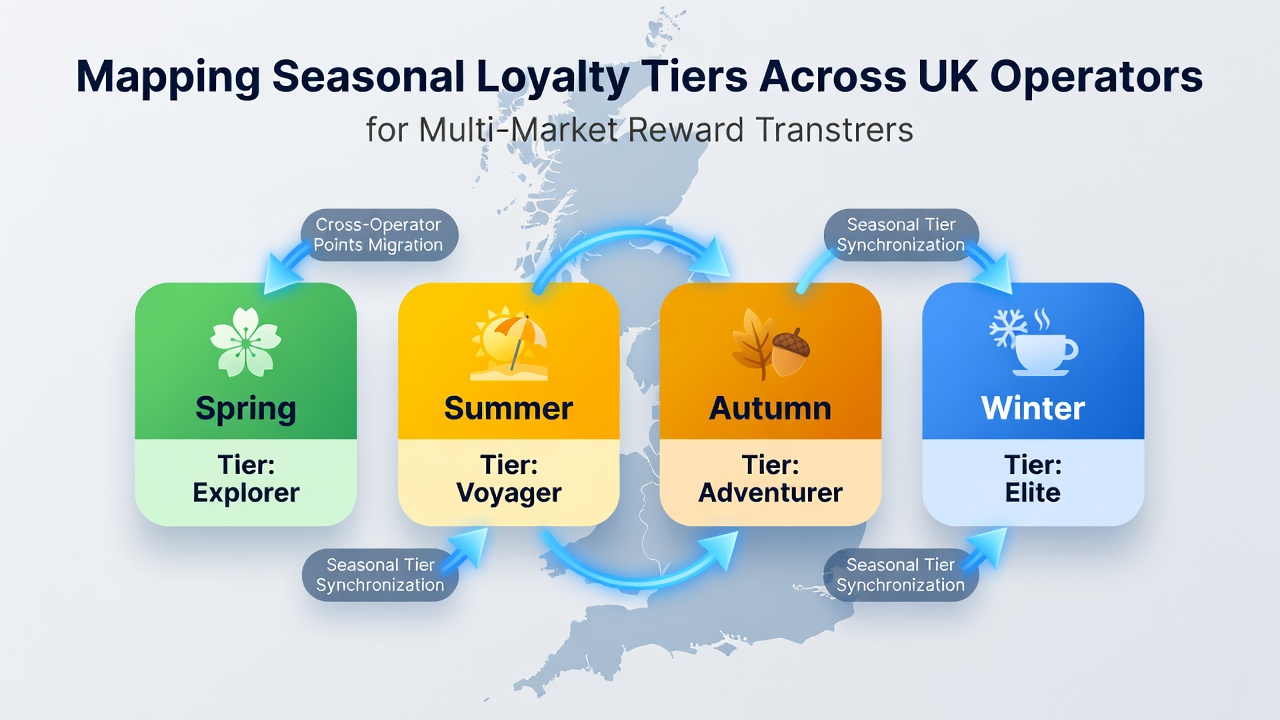
Mapping Seasonal Loyalty Tiers Across UK Operators for Multi-Market Reward Transfers
Operators across the United Kingdom have developed structured loyalty systems that adjust throughout the year, and observers note these changes often align with major sporting calendars plus holiday periods. Data from industry analyses indicate that many platforms recalibrate their tier benefits every quarter, which allows participants to move accumulated points or credits between different betting categories such as horse racing, football accumulators, and casino table games. Researchers at institutions tracking consumer behaviour in regulated markets have documented how these seasonal shifts create opportunities for reward portability that did not exist in earlier fixed-point models.Seasonal Adjustments in Tier Structures
UK operators typically refresh their loyalty frameworks at the start of each new quarter, and records show these updates frequently coincide with the opening of football seasons in August or the Cheltenham Festival in March. In July 2026 several major platforms introduced modified thresholds for mid-tier advancement that reflected quieter summer racing schedules while maintaining elevated casino cashback rates. Those who've examined operator disclosures find that summer adjustments often lower sports-related point requirements by 15 to 20 percent compared with peak winter months, whereas casino and virtual sports segments retain steadier accrual rates.
Multi-market transfer mechanics have grown more sophisticated as a result. Points earned through football pre-match bets can now convert directly into casino free spins on several sites, and this process occurs without additional fees during designated promotional windows. Industry reports highlight that transfer ratios vary by tier level, with higher tiers receiving more favourable exchange rates that can reach 1.2:1 in select cases. Academic studies from Canadian research centres have examined similar cross-product loyalty models and found that seasonal flexibility correlates with increased user retention when transfer windows align with major events.
Operator-Specific Tier Mapping
Mapping exercises conducted by analysts reveal distinct patterns among leading operators. One large platform maintains four primary tiers that shift their monthly earning multipliers every three months, while another employs a five-tier system with automatic seasonal resets tied to calendar quarters. Data indicates that participants who reach the uppermost tier before July often gain access to accelerated transfer options that remain unavailable to lower-tier accounts until the following quarter. These differences create a complex landscape where users must track multiple operator calendars to optimise reward movement across sports and casino verticals.
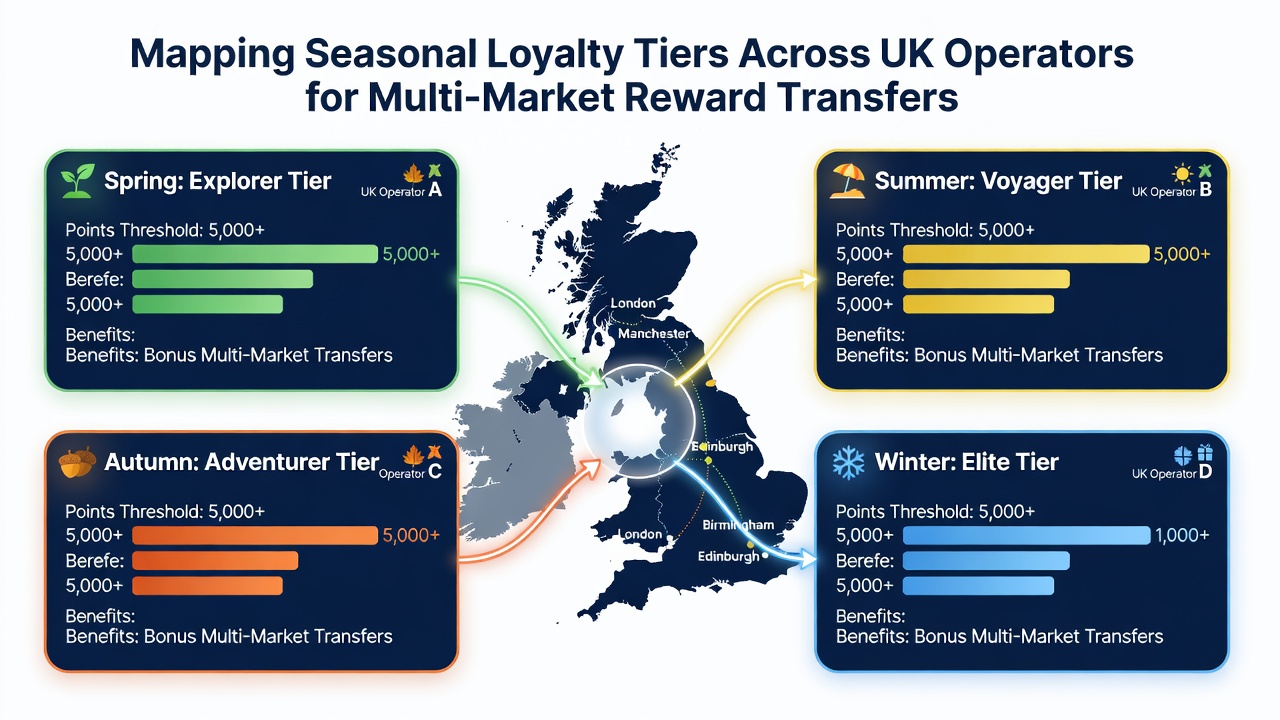
Transfer Mechanisms and Regulatory Context
Transfer protocols themselves follow standardised technical specifications that several operators adopted in 2024, and updates to these protocols continue through 2026. Points move between markets via internal ledgers that update in real time once a user initiates the exchange. Figures released by the European Gaming and Betting Association show that transfer volumes increased by approximately 28 percent during the first half of 2026 compared with the same period in 2025. Regulatory oversight from bodies outside the United Kingdom, including the Responsible Gambling Council in Canada, has examined how such systems affect player behaviour, and findings suggest that clear seasonal calendars help users make more informed decisions about when to transfer rewards.
Additional research from Australian academic sources points to the value of transparent tier mapping tools. Operators that publish interactive calendars allow users to forecast optimal transfer periods, and this transparency appears in several UK platforms during 2026. Summer months in particular have become testing grounds for limited-time transfer bonuses that operators activate only when sports activity declines. These bonuses typically last between two and four weeks and provide enhanced conversion rates for points moving into casino products.
Practical Implications for Multi-Market Users
Users who participate across multiple product categories benefit when they align their activity with published seasonal calendars. One documented case involved a participant who accumulated racing points during spring and converted them into casino credits ahead of the July 2026 promotional window, resulting in measurable increases in available play funds. Observers tracking these patterns note that success depends on monitoring operator announcements rather than assuming static rules apply year-round. Transfer limits also fluctuate seasonally, with higher ceilings often introduced during low-activity periods to encourage continued engagement.
Conclusion
Seasonal loyalty tier mapping across UK operators continues to evolve as platforms refine their approaches to multi-market reward transfers. Current structures in July 2026 reflect adjustments that balance quieter sports calendars with sustained casino offerings, and data shows these changes influence how points move between categories. Continued examination of operator calendars and transfer ratios remains essential for participants seeking to navigate these systems effectively.