Mobile App Loyalty Layers: Mapping Deposit Chains Across Virtual Simulations and Real-Time Multi-Sport Markets
Carlo Berger · Jun 14, 2026
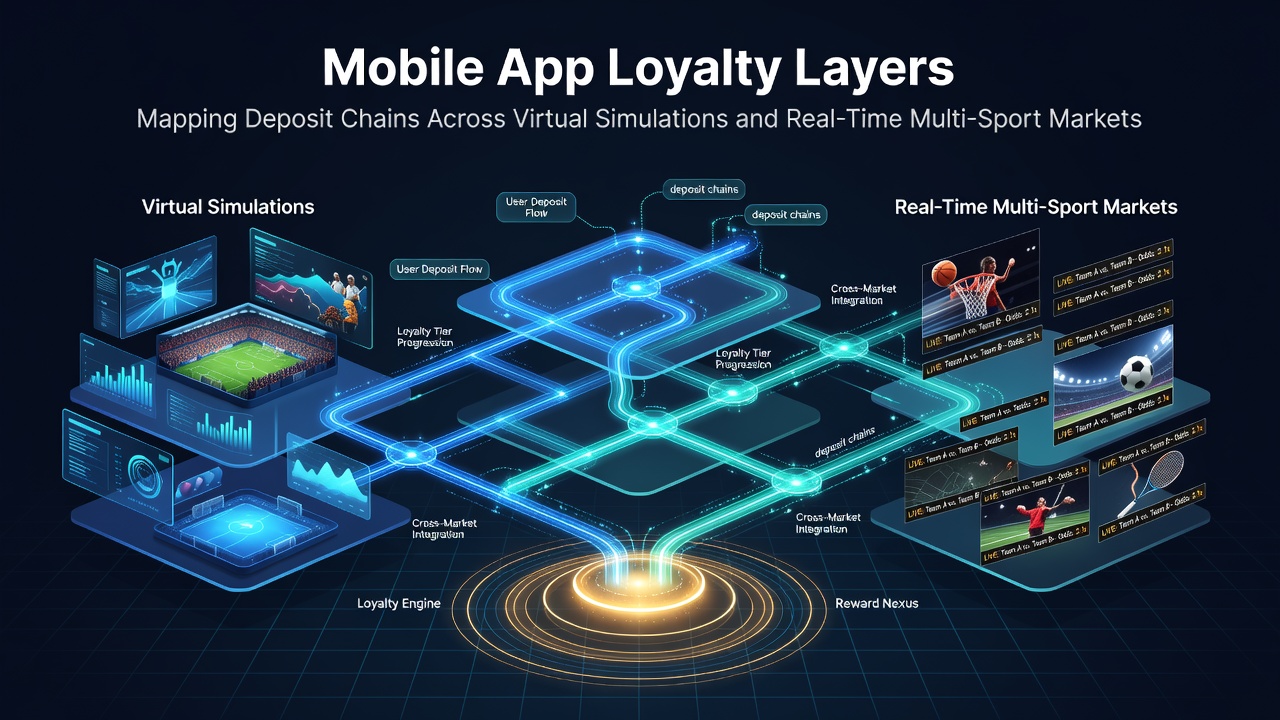
Mobile App Loyalty Layers: Mapping Deposit Chains Across Virtual Simulations and Real-Time Multi-Sport Markets
Operators structure mobile app loyalty programs through layered systems that track deposits and convert them into rewards spanning virtual simulations alongside live multi-sport environments. These frameworks connect user activity across simulated events such as virtual soccer leagues and greyhound races with real-time markets in football, tennis, and basketball, creating continuous engagement pathways that researchers have mapped in detail since the expansion of mobile platforms.
Core Mechanics of Loyalty Layers
Apps divide loyalty into progressive tiers where deposit volume determines access to benefits like enhanced odds or cashback percentages. Data from industry reports shows users who maintain consistent deposit patterns advance faster through these layers, unlocking features that apply simultaneously to virtual and live betting sections. Observers note that the mapping process relies on algorithmic chains linking each deposit to specific reward triggers, with virtual simulations often serving as entry points that feed into higher-value real-time opportunities.
Deposit Chains in Virtual Simulations
Virtual simulations operate on fixed schedules that allow deposits to trigger loyalty points at predictable intervals. Studies indicate operators route these points through dedicated chains that accumulate value when users engage with simulated outcomes in sports like cycling or tennis exhibitions. Those who've examined platform architectures find that chains extend across multiple virtual sessions, converting accumulated deposits into multipliers that carry over when players shift to live markets, thereby sustaining momentum without interruption.
By June 2026, several major platforms had refined these chains to include real-time adjustments based on user deposit frequency, allowing virtual activity to influence live market bonuses directly. Evidence from platform analytics reveals that such integration increases session duration across both environments because rewards earned in simulations become immediately applicable to multi-sport live bets.
Integration with Real-Time Multi-Sport Markets
Real-time multi-sport markets introduce dynamic variables that loyalty layers accommodate through adaptive deposit mapping. Deposits placed during live events generate separate tracking sequences that intersect with virtual simulation chains at designated thresholds. Researchers have documented how apps synchronize these sequences so that a deposit made on a basketball quarter can activate perks originally earned in virtual football simulations, creating unified reward ecosystems.

What's notable is the way operators use timestamped deposit logs to prevent overlap conflicts while maximizing cross-market utility. Figures from regulatory filings in Australia show that platforms employing these mapped chains report higher retention rates among users who alternate between virtual and live sections within single sessions. The chains function as connective tissue, ensuring that activity in one domain reinforces eligibility in the other without requiring separate deposit actions.
Geographic Variations and Regulatory Context
Platforms operating in different regions adapt loyalty layer structures to comply with local rules while preserving the core deposit chain architecture. In Canada, for instance, provincial frameworks influence how operators disclose chain mechanics to users, prompting clearer visual mapping within apps. A report by the Responsible Gambling Council highlights how Canadian users interact with these integrated systems across virtual and multi-sport offerings.
European operators meanwhile incorporate data from the European Gaming and Betting Association to standardize chain transparency. These adaptations demonstrate that the fundamental mapping process remains consistent even as regional requirements shape presentation and disclosure methods.
Technical Mapping Processes
Behind the scenes, apps employ graph-based algorithms to visualize deposit chains as interconnected nodes linking virtual simulation events with live multi-sport outcomes. Each node records deposit timestamps, reward triggers, and cross-market transfers, allowing operators to audit flow efficiency. Those analyzing platform data find that chains spanning virtual and real-time domains exhibit fewer drop-off points when users receive immediate visual confirmation of progress.
By mid-2026, updates to mobile architectures had introduced predictive elements that forecast chain completion based on historical deposit patterns. This functionality enables users to anticipate when loyalty benefits from virtual simulations will activate within upcoming live markets, streamlining the overall experience without altering the underlying deposit requirements.
Conclusion
Mobile app loyalty layers continue to evolve through precise mapping of deposit chains that bridge virtual simulations and real-time multi-sport markets. The structures documented by researchers emphasize connectivity, allowing activity in one domain to support engagement in another through systematic reward progression. As platforms refine these systems into 2026 and beyond, the focus remains on maintaining clear, auditable pathways that align with user deposit behaviors across diverse betting environments.