Seasonal Bonus Strategies Employed by UK Bookmakers to Attract Punters to Niche Sports Markets
Carlo Berger · Aug 23, 2026
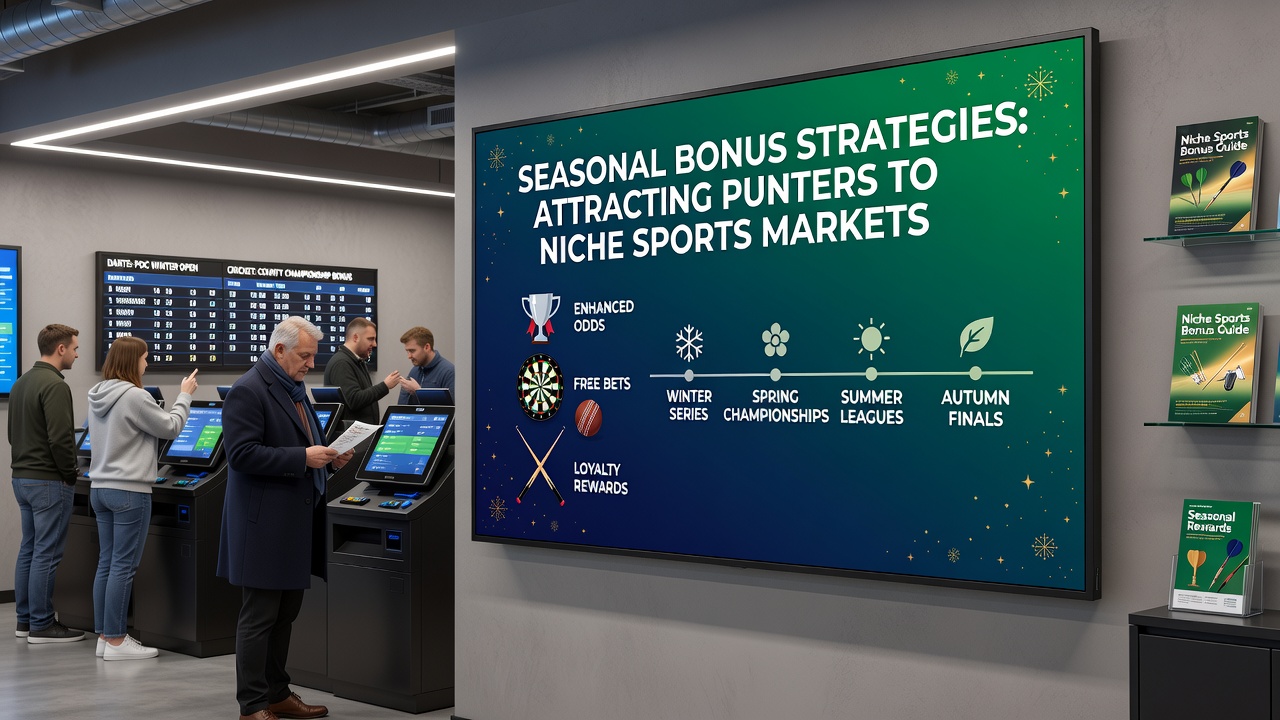
Seasonal Bonus Strategies Employed by UK Bookmakers to Attract Punters to Niche Sports Markets
UK bookmakers adjust their promotional calendars each year to align with the rhythms of lesser-followed sports, and seasonal bonus strategies play a central role in drawing attention to markets that receive limited mainstream coverage. These approaches often coincide with international tournaments or league restarts that create predictable windows of interest, allowing operators to offer targeted incentives such as enhanced odds, cashback on specific outcomes, or deposit matches tied to particular events.
Data from industry analyses shows that participation in niche sports betting rises when promotions match the timing of major competitions, and operators respond by structuring offers around summer athletics circuits or winter indoor leagues. In August 2026, several platforms have already begun previewing autumn campaigns that focus on handball and table tennis, two markets where seasonal overlaps with European club seasons create opportunities for structured incentives.
Timing Incentives with Tournament Calendars
Bookmakers coordinate bonus releases with the start of domestic and continental seasons in sports that operate on fixed annual schedules, and this practice helps shift punter attention away from saturated football and horse racing products. For instance, volleyball leagues in Europe typically begin their campaigns in September, and operators have introduced deposit-match offers that activate only on matches scheduled during the opening month. These time-limited structures encourage trial bets on markets that otherwise see low volume outside peak periods.
Observers note that the same pattern appears in badminton and squash, where British players compete in high-profile autumn events. Bonuses in these categories frequently take the form of stake refunds on narrow-margin losses or boosted prices on outright tournament winners, both of which reduce the perceived risk for users exploring unfamiliar competitions.
Winter Campaigns Targeting Indoor Leagues
During the colder months, UK operators shift focus toward indoor sports whose seasons run from November through March, and seasonal bonuses often combine free bet credits with loyalty points that accumulate across multiple niche events. Handball, in particular, receives dedicated promotions when the EHF Champions League enters its group stages, and platforms structure these offers to reward accumulators that include at least three selections from the competition.

Research conducted by the Responsible Gambling Council indicates that structured seasonal offers can increase engagement with lower-profile sports by creating recurring reward cycles. Operators apply similar logic to table tennis, where nightly European league matches allow for daily bonus triggers that keep users returning throughout the winter schedule.
Summer Strategies for Emerging Markets
Although many traditional sports pause during summer, UK bookmakers use the period to introduce incentives around beach volleyball tours and emerging esports competitions that maintain year-round calendars. In August 2026, several sites have launched early-bird deposit bonuses that activate on beach volleyball matches from the FIVB World Tour, with additional cashback layers applied if a punter places bets on consecutive weekends. These layered structures help familiarise users with scoring systems and market types that differ from mainstream alternatives.
Operators also link summer promotions to qualification events for larger winter tournaments, and this forward-looking approach allows them to build audiences ahead of peak seasons. Data compiled by the National Council on Problem Gambling shows that repeated exposure through time-bound offers correlates with sustained activity once the main season begins.
Integration with Loyalty and Referral Systems
Seasonal bonuses rarely stand alone, and UK platforms frequently embed them within existing loyalty frameworks that reward consistent participation across multiple niche categories. Punters who place qualifying bets on handball or badminton during designated windows earn tiered points that convert into free bets usable on other seasonal markets. This interconnected design encourages exploration while maintaining spend discipline through capped reward values.
Referral programmes sometimes incorporate seasonal elements as well, offering dual incentives when an existing user invites a new participant who then places a first bet on a promoted niche event. The timing of these invitations often aligns with the start of new league phases, maximising the chance that both parties engage during high-activity periods.
Conclusion
UK bookmakers continue to refine seasonal bonus structures to expand interest in niche sports markets, and the approaches rely on precise alignment with tournament calendars, layered reward mechanics, and integration with broader loyalty programmes. As the 2026 calendar progresses, operators are expected to maintain these patterns across handball, table tennis, volleyball, and similar competitions where predictable seasonal rhythms allow for targeted promotional planning.