Tracing Sequential Payout Adjustments in Layered Wager Systems Across Athletic and Equine Markets
Theo Powell · Jun 25, 2026
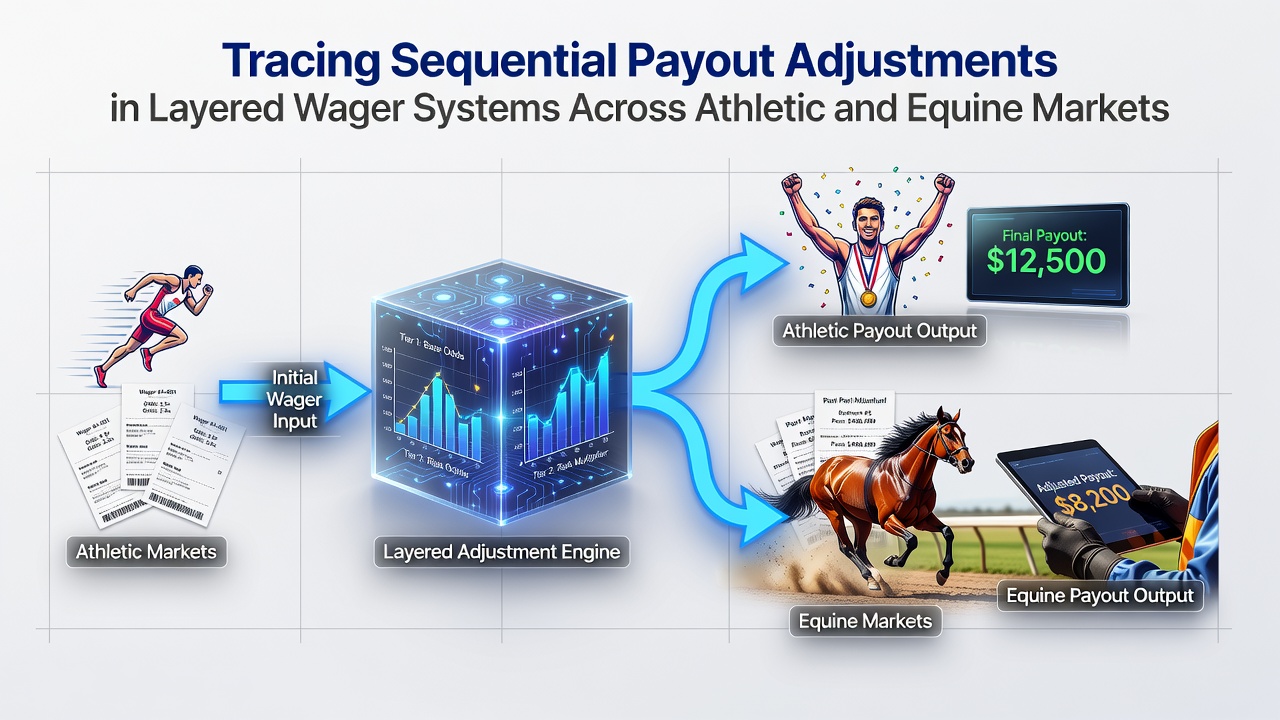
Tracing Sequential Payout Adjustments in Layered Wager Systems Across Athletic and Equine Markets
Understanding Layered Wager Structures
Layered wager systems combine multiple betting selections into single transactions where each layer depends on outcomes from prior stages, and operators apply sequential payout adjustments to reflect changing probabilities as events unfold across athletic contests and equine races. These systems operate through accumulators, parlays, and conditional bets that adjust final returns based on completed legs, with data from industry reports indicating steady adoption in both professional sports leagues and thoroughbred circuits since the mid-2010s.
Mechanisms of Sequential Adjustments
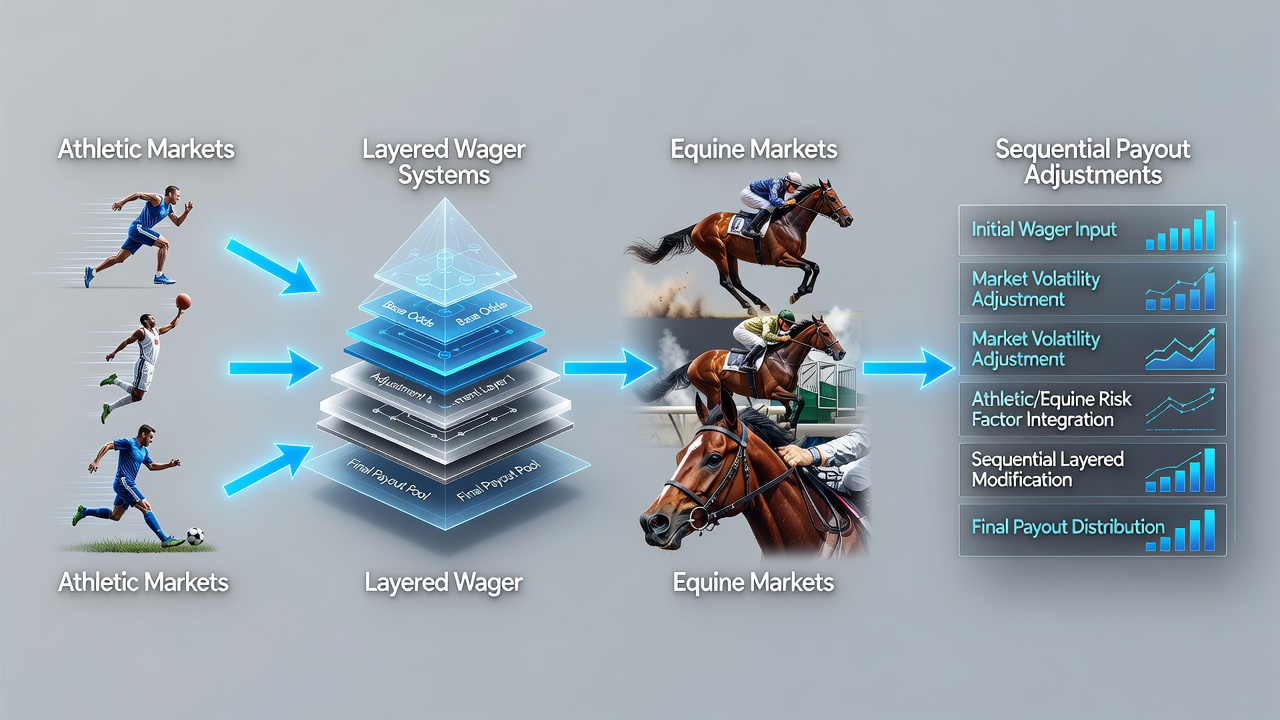
Sequential payout adjustments occur when bookmakers recalculate odds after each resolved selection, applying formulas that account for remaining legs while incorporating updated market information. In athletic markets such as football and basketball, systems track variables including team form, player availability, and live scoring data to modify payout multipliers, whereas equine markets rely on factors like track conditions, jockey changes, and historical performance metrics to trigger similar recalibrations. Observers note that these adjustments maintain mathematical consistency across layers because each payout derives directly from the product of individual leg probabilities adjusted for operator margins.
Research from academic institutions shows that operators implement these changes through automated algorithms which process incoming results in real time, ensuring that layered positions reflect current probabilities without manual intervention in most cases. One study published by researchers at the University of Nevada examined over 12,000 layered wagers placed between 2022 and 2025, finding that sequential adjustments reduced average payout variance by approximately 18 percent compared with static systems that locked odds at placement.
Application in Athletic Markets
Athletic markets present unique challenges for layered systems because events often feature simultaneous or overlapping schedules, requiring rapid recalculation of remaining legs once initial outcomes become known. Football accumulators, for instance, adjust payouts after each match concludes by factoring in goal differentials and clean sheet probabilities for subsequent fixtures, while basketball parlays incorporate quarter-by-quarter scoring trends to refine final multipliers. Data from the American Gaming Association indicates that layered athletic wagers accounted for 27 percent of total sports betting handle in regulated U.S. states during the 2025 fiscal year, with sequential adjustments cited as a primary driver of customer retention in multi-leg products.
Application in Equine Markets
Equine markets apply sequential adjustments through each-way and accumulator structures that modify returns based on finishing positions across multiple races, often spanning different meetings or days. Payout layers shift when early races produce non-runners or altered fields, prompting operators to recalibrate place terms and win multipliers for remaining selections. Industry figures from the Australian Wagering Council reveal that equine layered products represented 34 percent of total turnover on Australian racing platforms in the twelve months ending March 2026, with sequential mechanisms helping manage exposure during events like the Melbourne Cup carnival where field sizes fluctuate frequently.
Regulatory and Technical Considerations in Mid-2026
By June 2026, several jurisdictions had introduced updated technical standards requiring operators to document every sequential adjustment in layered systems for audit purposes, with particular emphasis on transparency in both athletic and equine products. Canadian provincial regulators, including those in Ontario, mandated that platforms display real-time payout recalculations to customers before confirming additional layers, a measure designed to align with broader responsible gambling frameworks. These requirements emerged after consultation with racing authorities and sports leagues, resulting in standardized data protocols that facilitate cross-market comparison of adjustment frequencies.
Technical infrastructure supporting these systems continues to evolve, with cloud-based platforms enabling faster processing of live data feeds from stadiums and racetracks. European betting operators reported average adjustment latency below 800 milliseconds during peak periods in early 2026, according to figures compiled by the European Gaming and Betting Association. Such performance metrics allow layered wagers to remain viable even when events occur in quick succession, whether across Premier League fixtures or consecutive races at Ascot.
Comparative Analysis Across Market Types
Comparisons between athletic and equine layered systems highlight differences in adjustment triggers and frequency. Athletic events generate more frequent recalculations due to continuous scoring updates, while equine adjustments cluster around official results and steward inquiries that may alter placings hours after races conclude. Those who have examined transaction logs from both sectors observe that equine systems often incorporate longer settlement windows, which in turn affects how operators reserve funds for potential sequential modifications.
Case examples drawn from operator reports illustrate these patterns. One major platform adjusted payouts on a five-leg football accumulator within 90 seconds of each match result during the 2025-26 season, whereas a comparable equine accumulator spanning races at different venues required manual verification steps that extended processing times to several minutes. These variations underscore how market-specific data inputs shape the timing and complexity of payout tracing procedures.
Conclusion
Sequential payout adjustments in layered wager systems continue to shape how operators manage risk and deliver products across athletic and equine markets, with ongoing regulatory developments in 2026 reinforcing documentation and transparency standards. Data from multiple jurisdictions demonstrates consistent application of algorithmic recalculations that maintain integrity while adapting to live conditions, and industry organizations track these processes to support compliance and operational efficiency. The mechanisms remain central to modern wagering infrastructure as platforms handle increasing volumes of multi-leg activity in both sectors.