UK Operators' Layered Loyalty Mechanics Linking Virtual Racing Payouts to Real Football Multiplier Structures
Carlo Berger · Jul 2, 2026
UK Operators' Layered Loyalty Mechanics Linking Virtual Racing Payouts to Real Football Multiplier Structures
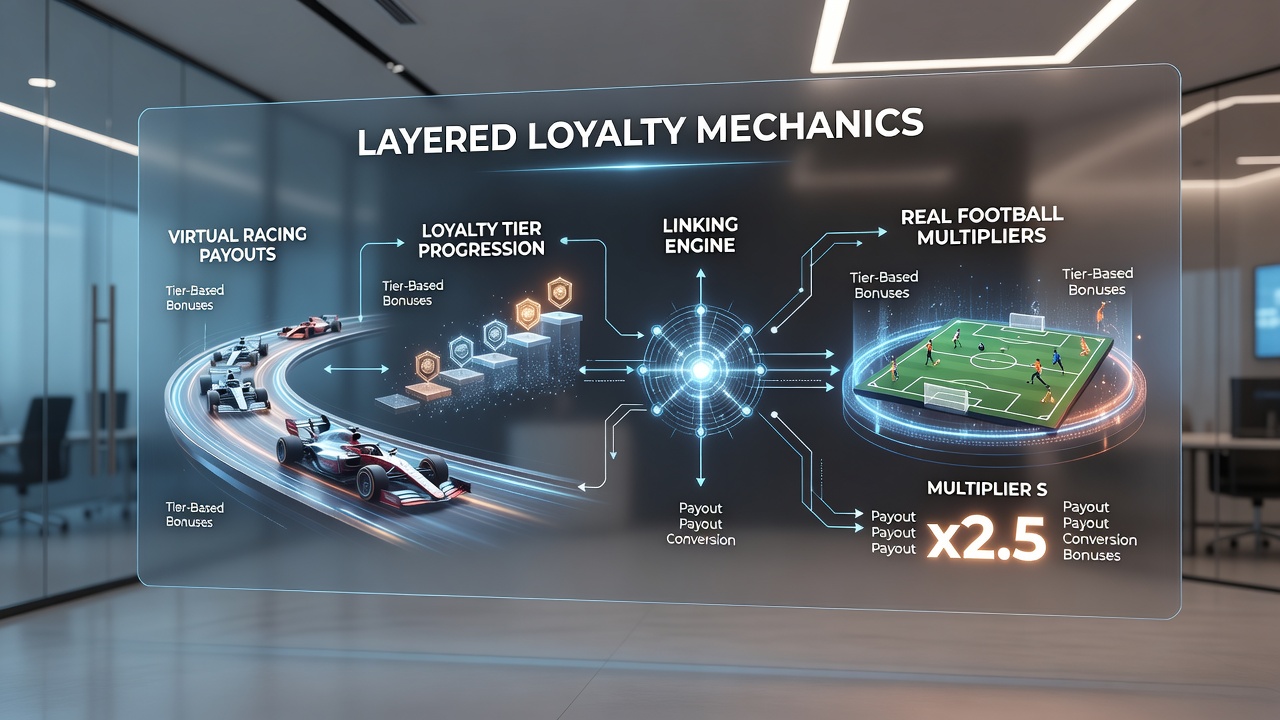
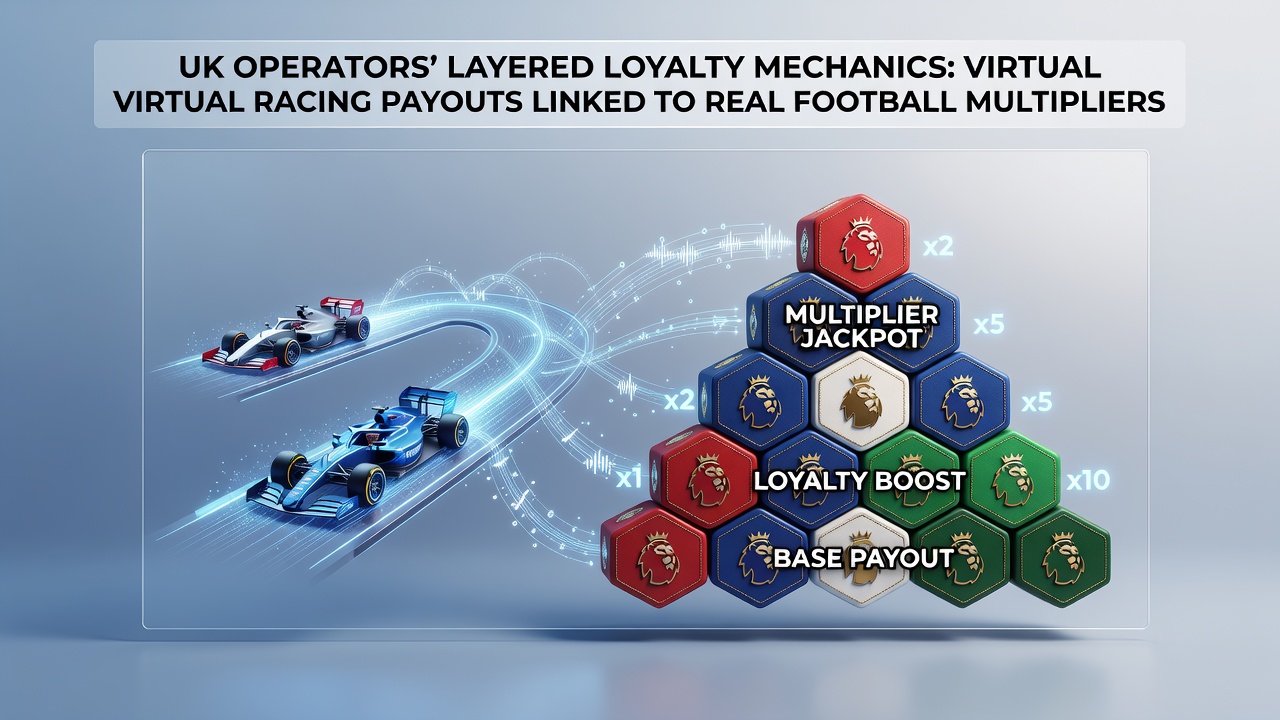
UK operators have developed loyalty systems that integrate payouts from virtual racing simulations directly into multiplier structures for real football betting markets. These mechanics operate through tiered reward programs where activity in one product category influences returns in another. Data from industry reports shows that participants accumulate points from virtual greyhound and horse races which then convert into enhanced odds or stake multipliers when applied to football accumulators. Operators structure these programs across multiple levels with each tier unlocking additional conversion rates between virtual racing earnings and football wager enhancements. Participants advance by meeting volume thresholds in simulated events and the system automatically applies corresponding boosts to selected football bets. Research from the European Gaming and Betting Association indicates such cross-product linkages have expanded since 2024 as platforms seek to maintain engagement across diverse betting verticals.Core Components of the Loyalty Framework
The layered approach typically includes base tiers that reward standard virtual racing participation with modest football multiplier increments while higher tiers deliver compounded benefits. Points earned from virtual races undergo conversion algorithms that factor in both the volume of wagers and the specific outcomes achieved in those simulations. Observers note that operators calibrate these algorithms to align with seasonal football calendars so that virtual racing activity during off-peak periods feeds into upcoming matchweek promotions. Football multiplier structures activated through this system often include enhanced returns on correct score predictions and accumulator bonuses that scale with loyalty status. The mechanics ensure that virtual racing payouts do not remain isolated but instead contribute to a unified reward pool that operators distribute across live and pre-match football offerings.Integration Patterns Observed in July 2026
By July 2026 several major platforms had refined their conversion protocols to allow fractional point transfers from virtual racing sessions into football-specific booster tokens. These tokens function as temporary multipliers that apply to selected legs of multi-bet structures without altering the underlying odds provided by the bookmaker. Figures from platform disclosures reveal increased usage of such tokens during the summer transfer window when football markets remain active despite the absence of major domestic leagues. The integration relies on real-time tracking systems that log virtual race results and immediately update available football enhancements visible in user accounts. Operators implement daily caps on transferable points to maintain balance between the two product categories while still encouraging continued participation in both.