UK Platforms Merging Wearable Fitness Data with Custom Staking Rewards Across Football and Racing Events
Clara Hayes · Aug 18, 2026
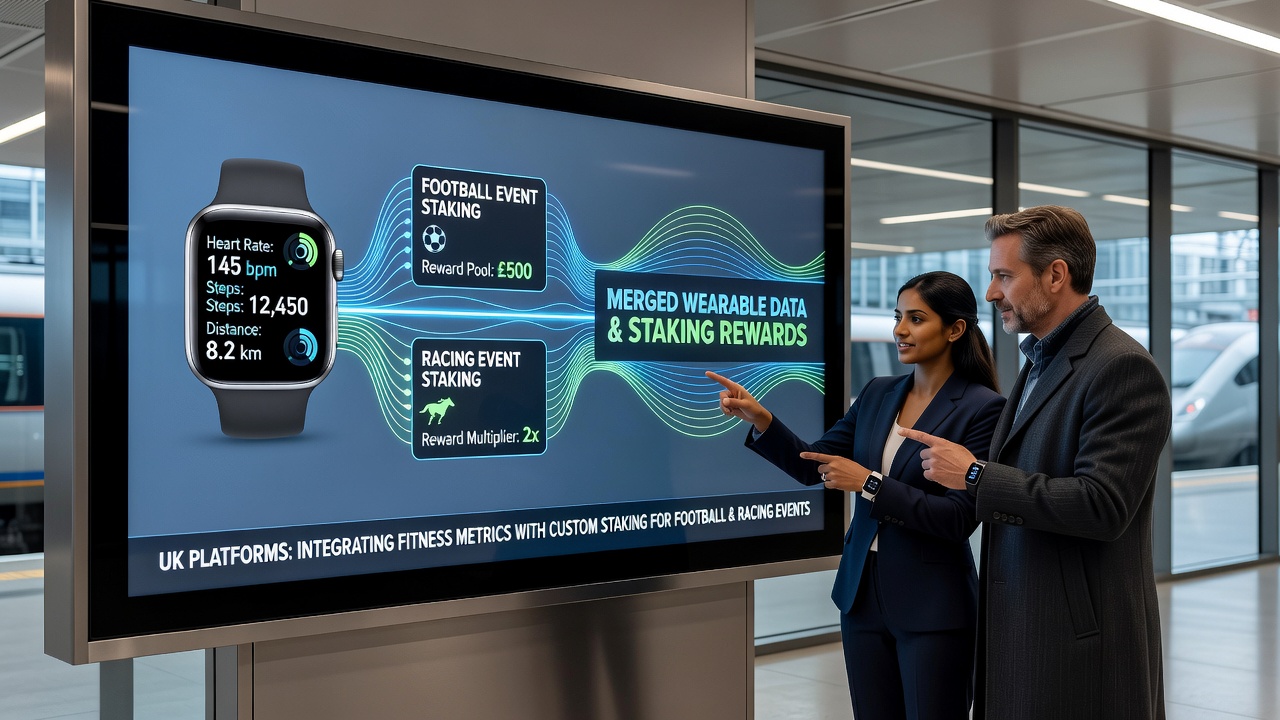
UK Platforms Merging Wearable Fitness Data with Custom Staking Rewards Across Football and Racing Events
UK platforms have begun connecting data from wearable fitness devices with tailored staking rewards that apply to football matches and racing fixtures, creating systems where user activity levels influence available bonuses and reward structures. These developments draw on continuous streams of information from devices that track steps, heart rate, and other metrics, then apply that data to adjust staking options in real time.
Mechanics of Data Integration
Systems collect information from common fitness trackers and smartwatches, then match it against predefined activity thresholds before releasing custom staking credits for specific events. Operators process the data through secure application programming interfaces that link directly to betting accounts, allowing rewards to scale according to recorded movement or recovery indicators. In practice, a participant who meets daily activity targets receives adjusted multipliers on stakes placed on premier league fixtures or thoroughbred races scheduled for the same week.
Application to Football Markets
Football sections on these platforms incorporate fitness data to unlock layered rewards tied to live match moments, such as goal scorers or half-time scorelines. Users who maintain consistent activity logs gain access to enhanced each-way options or cash-back structures that activate after certain performance milestones in the game. Observers note that the linkage remains entirely optional, with participants choosing whether to share device information in exchange for the additional reward layers.
Extension into Racing Events
Racing platforms apply similar logic to horse and greyhound meetings, where fitness metrics determine eligibility for boosted place terms or insurance-style refunds on selected runners. Data from wearables feeds into algorithms that generate personalised staking packages ahead of major meetings, including those with extended each-way payouts. Platforms report that integration began rolling out more widely during summer 2025 and reached broader adoption by August 2026, when several operators expanded the feature across both flat and jump racing calendars.
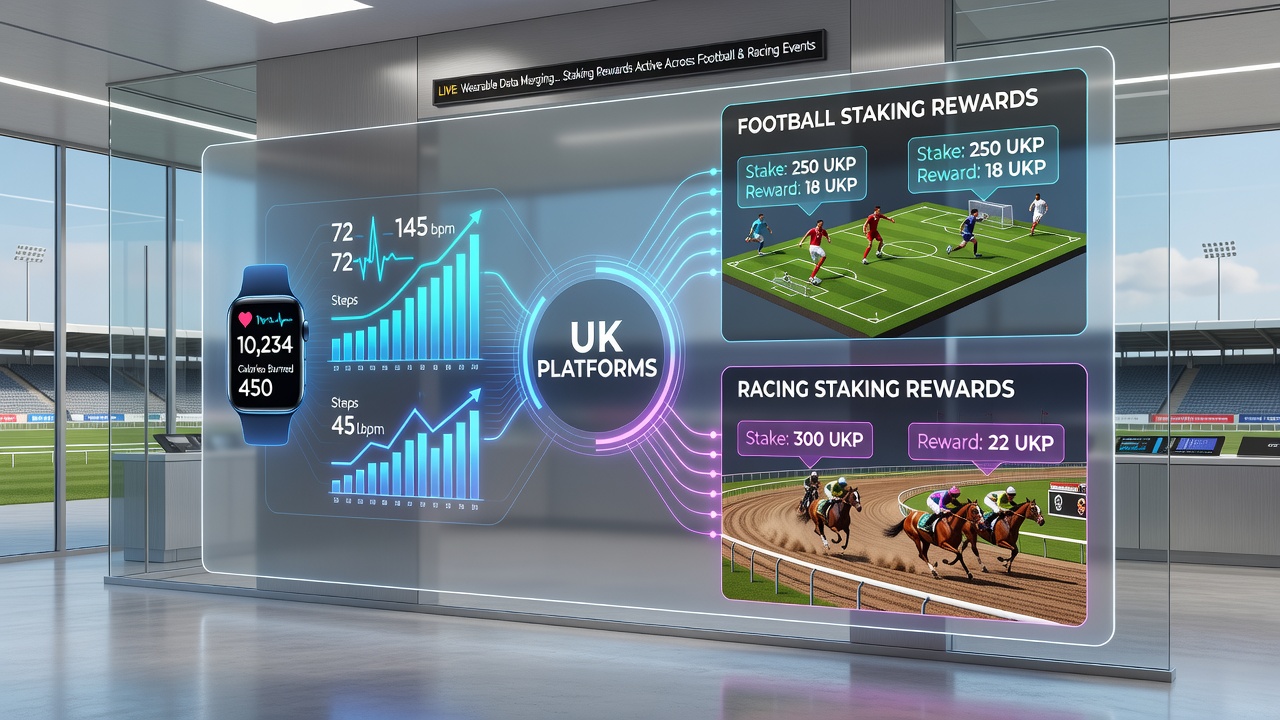
Industry reports indicate that the number of active accounts using wearable-linked rewards grew steadily through the first half of 2026, with football and racing categories showing the strongest uptake. The approach relies on anonymised data aggregation to maintain compliance with existing digital health and privacy frameworks.
Regulatory and Technical Context
Platforms operate these features under the oversight of multiple bodies, including guidance from the European Securities and Markets Authority on data handling standards that influence cross-border operations. Technical requirements include end-to-end encryption for fitness data transfers and clear consent mechanisms that allow users to disconnect devices at any time without losing existing account balances. Research from academic institutions such as those publishing in the National Library of Medicine database has examined similar data-merging practices in other sectors, providing reference points for security protocols now adopted in betting environments.
User Participation Patterns
Participants who engage with the system typically connect a single primary device and set activity goals that align with their preferred betting schedule. Data shows higher connection rates among users who already maintain regular fitness routines, while casual participants often trial the feature during high-profile events like cup finals or festival racing weeks. Platforms provide dashboards that display projected reward adjustments based on the previous seven days of recorded activity, helping users anticipate available staking options.
Conclusion
The merger of wearable fitness data with custom staking rewards continues to evolve across UK platforms focused on football and racing. Current implementations emphasise user consent, data security, and optional participation, while technical standards draw from established practices in digital health and financial services. As adoption expands, further refinements to reward structures and integration methods are expected to follow patterns already visible in the 2026 rollout phase.